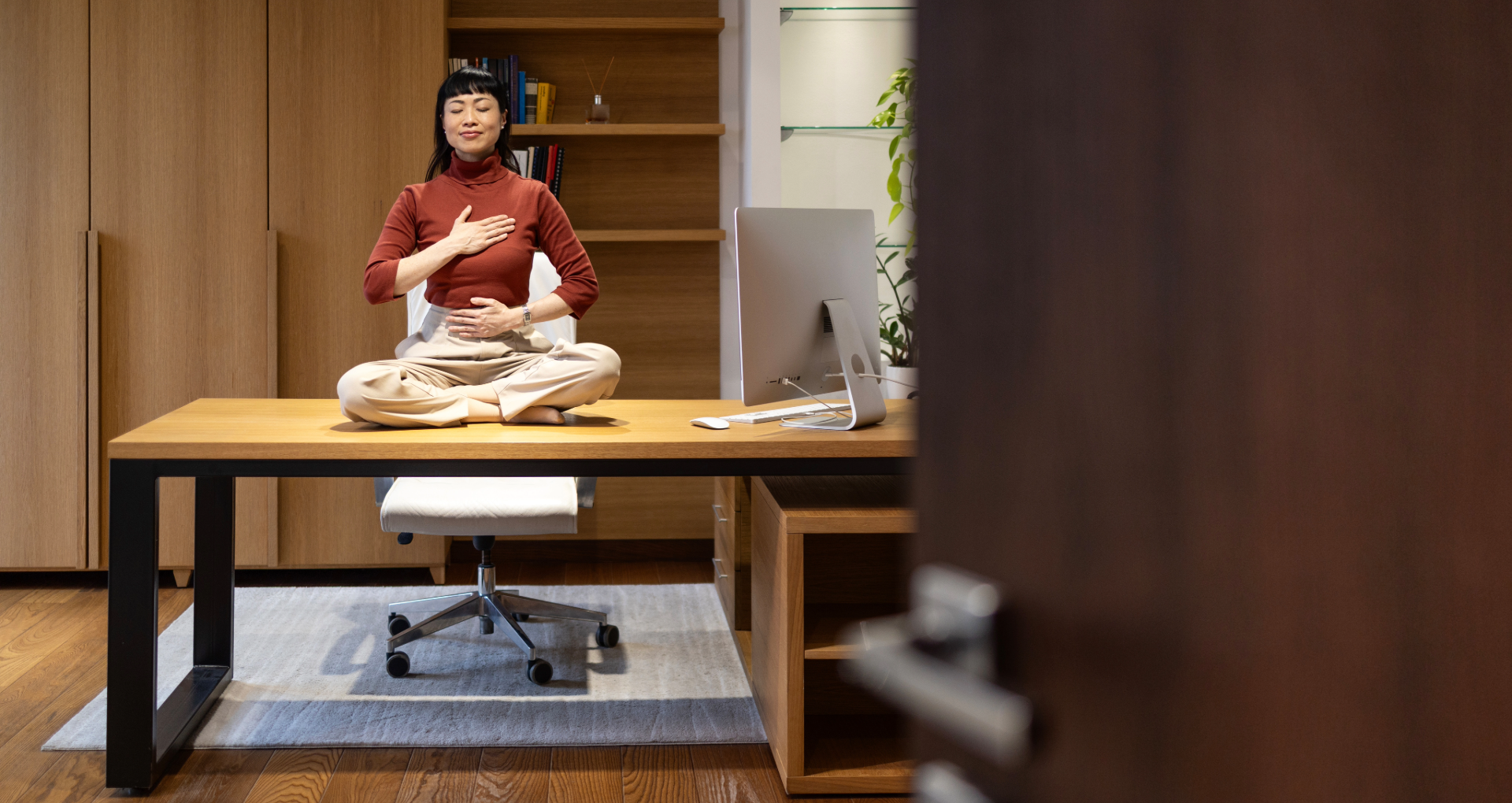
Stress can be difficult to manage if there is a lack of attention on the factors triggering stress as well as failing to manage the symptoms associated with a significant level of stress. It is important that individuals maintain methods which can help manage the levels of stress and its impact.
Typically, work can cause individuals a significant level of stress due to prominent levels of demand, fast-approaching deadlines, and colleagues. It is important that individuals can manage the stress in their workplace as it can lead to a decline in work productivity in addition to the health of the individual. Law For Me is committed to supporting individuals and businesses in managing the factors which negatively impact them during their business.
What are the symptoms of stress?
- Anxiety
- Irritability
- Consumption of drugs or excessive alcohol
- Headaches
- Social withdrawal
- Fatigue
Feeling a moderate level of stress is common, but when work stress becomes chronic, it can affect your mental and physical well-being. The following tips will help you manage stress in the workplace:
- Develop self-awareness
It may sound simple, but it should not be underestimates how much self-awareness can help you cope with stress. Consciously think about how you feel in different settings, around different people, in various weathers etc. This will help you develop your self-awareness as you will begin to understand the long-term exposure to unmanaged stress. Once you have found a couple of things which trigger or impact your stress levels, the next step would be actively manage how you think and react to those triggers. Self-awareness is an important stage which will help you begin the process of managing your stress levels.
- Journal your stressors
In furtherance to the above, it is advised to journal your stressors. Sometimes, it can be difficult to keep a track of your stressors without writing them down. Identifying and recording the triggers of stress can help you understand what is bothering you. Keep a journal for at least one week with details on the place, person, event, and circumstance which triggered the emotional response. Ask yourself how it made you feel, how did you react, how can I find a solution to this.
Remember that there is no wrong answer. This is a personal journal for you to understand the patterns in your stress levels and visually see which factors are impacting you the most.
Once you have begun journaling your stressors, you can start the process of tackling each stressor based on the ones most impacting you.
- Prevent burnout
Working hours on end can risk the chances of a burnout which in turn would induce higher levels of stress. Taking out a few minutes of your day to stretch, listen to music or watch a funny clip can help you feel relaxed and prevent a burnout.
During breaks, avoid checking work emails and disconnecting from your work for the period of your break. This will ensure that once you resume your work, you will have a higher level of focus on your tasks.
- Beat procrastination
The key to avoid procrastination is to organize your time and stay disciplines to meeting the time set aside for specific tasks – any time outside of this can be used to focus on self-care and other personal responsibilities.
Organizing a list of tasks in order of priority can help you prepare for tasks which have a greater level of importance than others. Staying on top of your schedule and completing the most important work will help you feel at ease from the pressures associated with work management.
- Find a balance in your work and personal life
Create clear boundaries between your work life and personal life to help prevent stress which is triggered by the failure of setting boundaries in various aspects of your life.
The key here is to set aside time for work, personal time, socializing, and some free time. This also means that when working, you should avoid focusing on tasks which fall outside of work and while taking time out for personal care, you should avoid working or checking work messages etc
Maintain a clear and steady boundary across the various aspects of your life and you are likely to notice the positive impact that boundaries can have.
- Stay close to your support system
Isolation can prevent you from getting support from those who care about you. It is important to stay connected with the friends or family who you trust and can help you manage stress from work.
Being able to speak to those who care about you about your stressors can be useful to let out the frustration caused by stress, and it can also alleviate some of the tension.
- Self-care
Self-care does not mean that you must feed yourself, shower, and sleep to keep yourself healthy. Although these factors are particularly important, they form a basic standard which you should adhere to give your body the energy it needs to stay healthy and keep you in shape. Outside of these factors, there are a variety of things which you can do for self-care, for example, getting a massage, giving yourself a facial, going to the gym etc.
Taking time out of your week to focus on self-care will help you build a healthy relationship with your mind and body, and this can help you in understanding that your mental and physical needs are far more important than allowing stressors take over your wellbeing.
If you would like to speak to us about issues relating to your employment, contact us at hello@lawforme.co.uk and one of our specialist city lawyers will contact you.